Visual identities have an awkward characteristic: the people who work with them every day can become tired of them long before everyone else does.
A logo starts to feel dated internally. The typeface becomes associated with old presentations. The colour palette feels inherited from a previous era. Competitors appear sharper. A new leadership team arrives and the identity seems to belong to the organisation they have been asked to move beyond.
The temptation is understandable. Change the symbol and the organisation can make change visible.
But symbols do not only contain design decisions. They accumulate meaning through use.
Meaning arrives after design
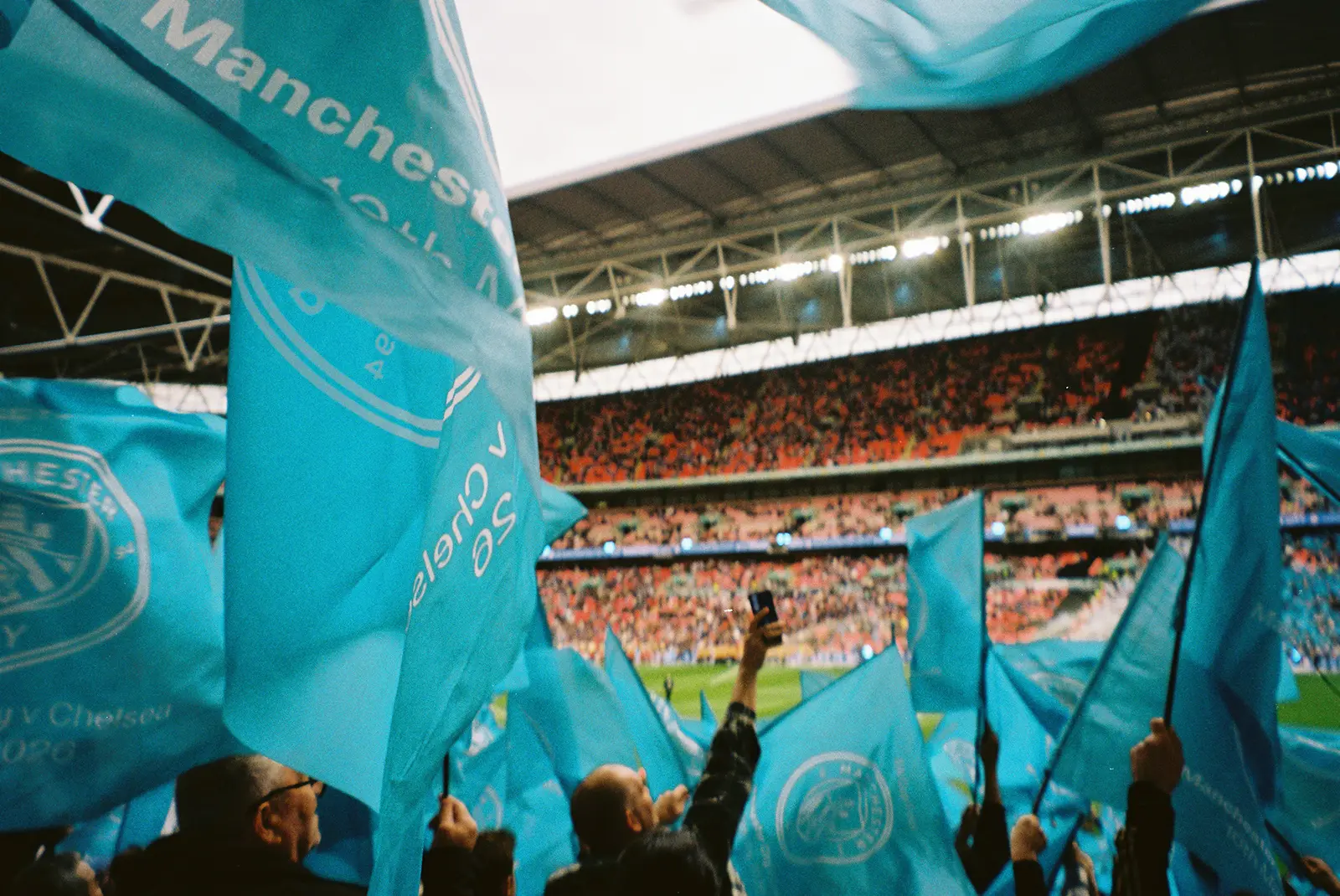
A mark may begin life as a carefully constructed piece of identity design, but over time its significance is shaped by things the designer cannot control. It appears on products people rely on, letters that carry good or bad news, buildings people recognise, shirts people wear, services people remember and experiences that become attached to it.
For employees, the symbol may represent belonging, history or a period of change. For customers, it may function less as an aesthetic object than a shortcut to familiarity and trust. For communities, it can become part of the visual landscape of a place.
A symbol means more than the organisation intended because people have lived with it.
This does not mean identities should never change. It means the question is larger than whether the existing design still feels contemporary.
What exactly are we trying to change?
Identity projects often combine several ambitions that need separating. The organisation may want to signal a strategic shift. It may need a more functional digital system. It may be addressing genuine inconsistency. It may be trying to reach a different audience. Or it may simply feel uncomfortable with the gap between how it sees itself and how it currently appears.
Those are different problems.
If they are collapsed into a single aesthetic judgement, the identity is asked to carry too much. A bolder logo is expected to create confidence. A new visual language is expected to make culture feel modern. A refreshed website is expected to clarify a proposition that remains unresolved.
The result can look dramatically different while the organisation underneath remains difficult to understand.
Continuity can be designed
The strongest identity changes often understand what should be retained as carefully as what should be replaced. Continuity does not require visual conservatism. It requires awareness of the signals, recognisable assets and accumulated associations that still have value.
Sometimes the most important element is a colour. Sometimes it is a name, a shape, a tone of voice or a particular quality of restraint. Sometimes the old identity has little equity and change can be more decisive. The point is that these choices should emerge from evidence rather than personal fatigue.
Identity within Brand Realisation
Brand Realisation places identity within a broader relationship between reality, understanding and expression. Identity matters because it gives form to an understanding. It cannot, by itself, create an organisational reality that does not exist.
So before changing the mark, it is useful to ask what the organisation is changing, what people currently understand, which meanings the existing identity carries and what the new expression needs to make more visible.
This turns identity from an act of replacement into an act of judgement.
The question is not simply whether an identity still looks right. It is whether we understand what it has come to mean before we decide what should take its place.